
Tender slices of meatloaf under a sticky, glossy ketchup glaze have a way of disappearing fast, especially when the center stays juicy instead of drying out into a tight, crumbly brick. This version earns its place because it keeps the texture soft without turning mushy, and the glaze bakes into a sweet-tangy finish that clings to every slice. It’s the kind of dinner that feels plain in the best possible way: straightforward, dependable, and worth making again.
The trick is balance. Breadcrumbs and milk work together to hold moisture, while the eggs give the loaf enough structure to slice cleanly after a short rest. The onion goes in finely diced so it softens as the meat bakes instead of leaving sharp little bites behind, and the glaze uses brown sugar and vinegar to cut the ketchup’s sweetness and help it caramelize instead of just sitting on top. If you’ve ever had meatloaf that looked done on the outside but came out dense in the middle, this method fixes that by mixing just until combined and baking to temperature, not guesswork.
Below, I’ll walk through the part that matters most: how to keep the loaf tender, how to get that shiny glaze to set properly, and what to do if you want to adapt it without losing the old-school comfort that makes it work.
The glaze caramelized beautifully and the loaf sliced cleanly after resting. I used 80/20 beef and the middle stayed moist all the way through, even reheated the next day.
Save this glazed meatloaf for a dependable dinner with a sticky brown sugar top and leftovers that hold up beautifully.
The Part That Keeps Meatloaf Tender Instead of Tough
Most dry meatloaf comes from one of two mistakes: the mixture gets packed too tightly, or it bakes past the point where the fat and moisture can still do their job. Mixing ground beef with breadcrumbs, milk, and eggs gives the loaf enough bind to hold together, but it still needs to be handled gently. Once the ingredients look evenly distributed, stop. If you keep working it, the texture turns dense before it even hits the oven.
The other thing that matters is shape. A loaf baked in a dish cooks more evenly when it isn’t pressed into a hard, compact brick. Form it into a loaf with some space around it so the heat can move through without drying out the edges first. The internal temperature is the real finish line here. Pull it at 160°F, then let it rest so the juices settle instead of running out the second you slice.
What the Breadcrumbs, Milk, and Glaze Are Actually Doing Here
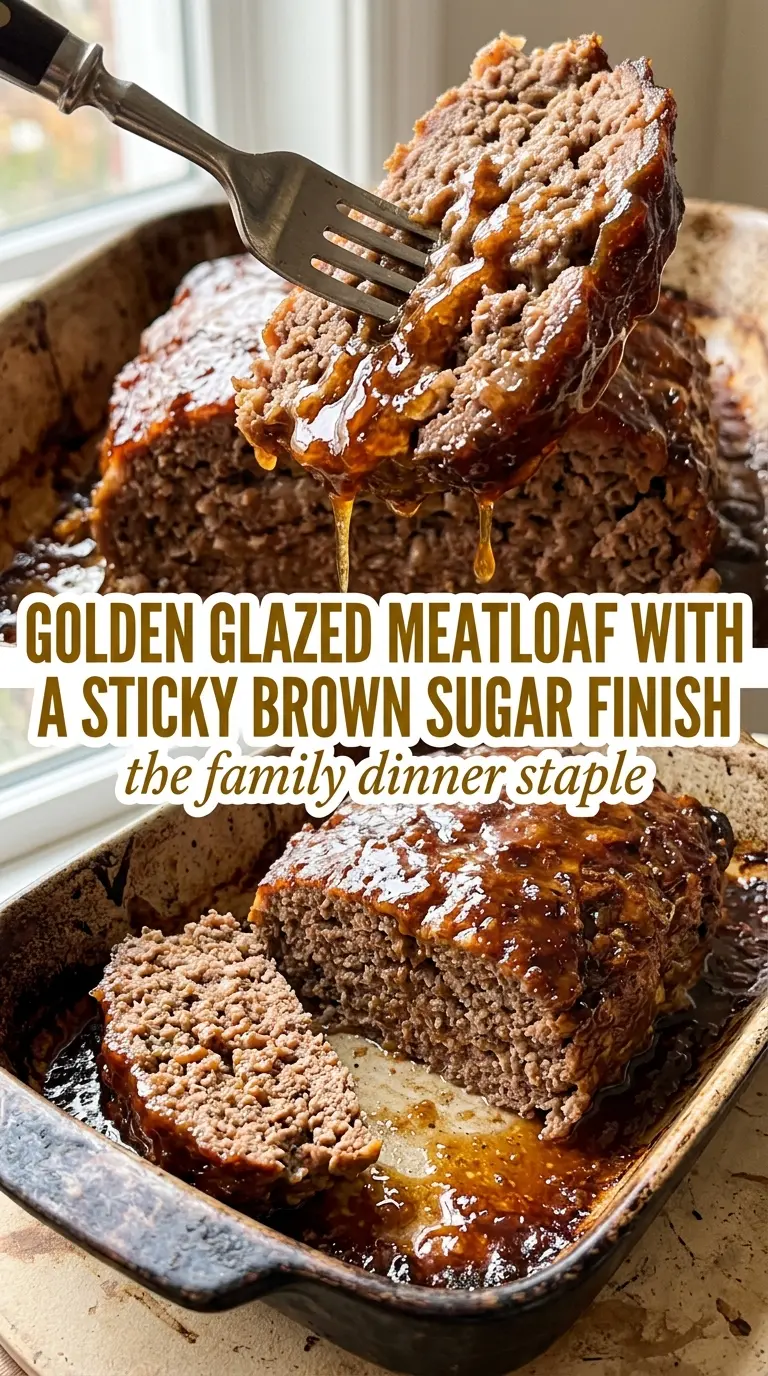
- Ground beef — Use beef with enough fat to stay juicy, not extra-lean meat that bakes up dry. An 80/20 blend gives you the best texture here. If you go leaner, expect a firmer slice and a little less richness.
- Breadcrumbs — These absorb the milk and hold onto moisture so the loaf slices neatly instead of crumbling. Plain breadcrumbs work fine, and panko is acceptable if you want a slightly lighter texture. Don’t skip them unless you plan to add another binder.
- Eggs — Eggs are the structure in this loaf. They help the meat and crumbs set into clean slices after baking. Two eggs is the right amount for this size loaf; more can make the texture bouncy.
- Milk — Milk softens the breadcrumbs before they go into the oven, which keeps the meatloaf tender from the inside out. Any plain milk works. If you need a dairy-free version, unsweetened plain oat milk does the job well enough.
- Ketchup, brown sugar, and apple cider vinegar — This glaze needs all three parts. Ketchup gives you the tomato base, brown sugar helps it caramelize, and vinegar keeps it from tasting flat or overly sweet. If you want a sharper glaze, use a little extra vinegar; if you like it sweeter, add another teaspoon of brown sugar.
Building the Loaf and Getting That Glaze to Stick
Mix the Base Without Overworking It
Combine the beef, breadcrumbs, eggs, milk, onion, garlic powder, salt, and pepper until everything is evenly distributed, but stop as soon as the mixture comes together. The texture should look cohesive, not paste-like. If the mixture feels wet, let it sit for a minute so the crumbs can absorb some of the liquid before shaping. That short pause helps the loaf hold its form in the oven.
Shape for Even Baking
Press the mixture into a loose loaf in a baking dish. Don’t pack it down hard. A lightly shaped loaf browns better and stays tender in the middle because the heat can reach the center without squeezing all the juices toward the edges. If the top cracks a little as it bakes, that’s normal and gives the glaze more surface to cling to.
Glaze, Bake, and Rest
Whisk the ketchup, brown sugar, and vinegar until smooth, then spread it over the top before baking. During the last part of the bake, that glaze should look dark, shiny, and a little sticky around the edges. If it’s still pale and loose when the loaf is done, give it a few more minutes uncovered so the sugar can caramelize. Rest the meatloaf for 10 minutes after baking; slicing too early sends the juices straight onto the cutting board.
Three Useful Ways to Change It Without Losing the Classic Feel
Make It Dairy-Free
Swap the milk for unsweetened plain oat milk or almond milk. The loaf still stays tender because the liquid’s main job is to soften the breadcrumbs, not add dairy flavor. Avoid flavored or sweetened versions, which can throw off the glaze.
Use Turkey Instead of Beef
Ground turkey works, but it needs the moisture from the breadcrumbs and milk even more than beef does. Choose turkey that isn’t ultra-lean if you can, and watch the bake time closely since it can dry out faster. The glaze helps a lot here because it adds the richness turkey doesn’t have on its own.
Make It Gluten-Free
Use gluten-free breadcrumbs in the same amount. They perform almost the same way as regular crumbs, especially once they soak up the milk. If your brand tends to be coarse, let the mixture rest for 5 minutes before shaping so it binds more cleanly.
Make Extra for Sandwiches
If you want leftovers on purpose, bake the loaf a little more evenly by shaping it to a uniform thickness and letting it rest fully before slicing. Cold slices hold together better for sandwiches, and the glaze tastes even better the next day against soft bread and a little mustard.
Storage and Reheating
- Refrigerator: Store sliced meatloaf in an airtight container for up to 4 days. The texture firms up a little, but it stays moist if you keep it covered.
- Freezer: Meatloaf freezes well. Wrap individual slices tightly and freeze for up to 3 months so you can pull out only what you need.
- Reheating: Reheat slices covered in a 300°F oven with a splash of water or broth until warmed through. The common mistake is blasting it in the microwave until the edges get rubbery before the center is hot.
Answers to the Questions Worth Asking
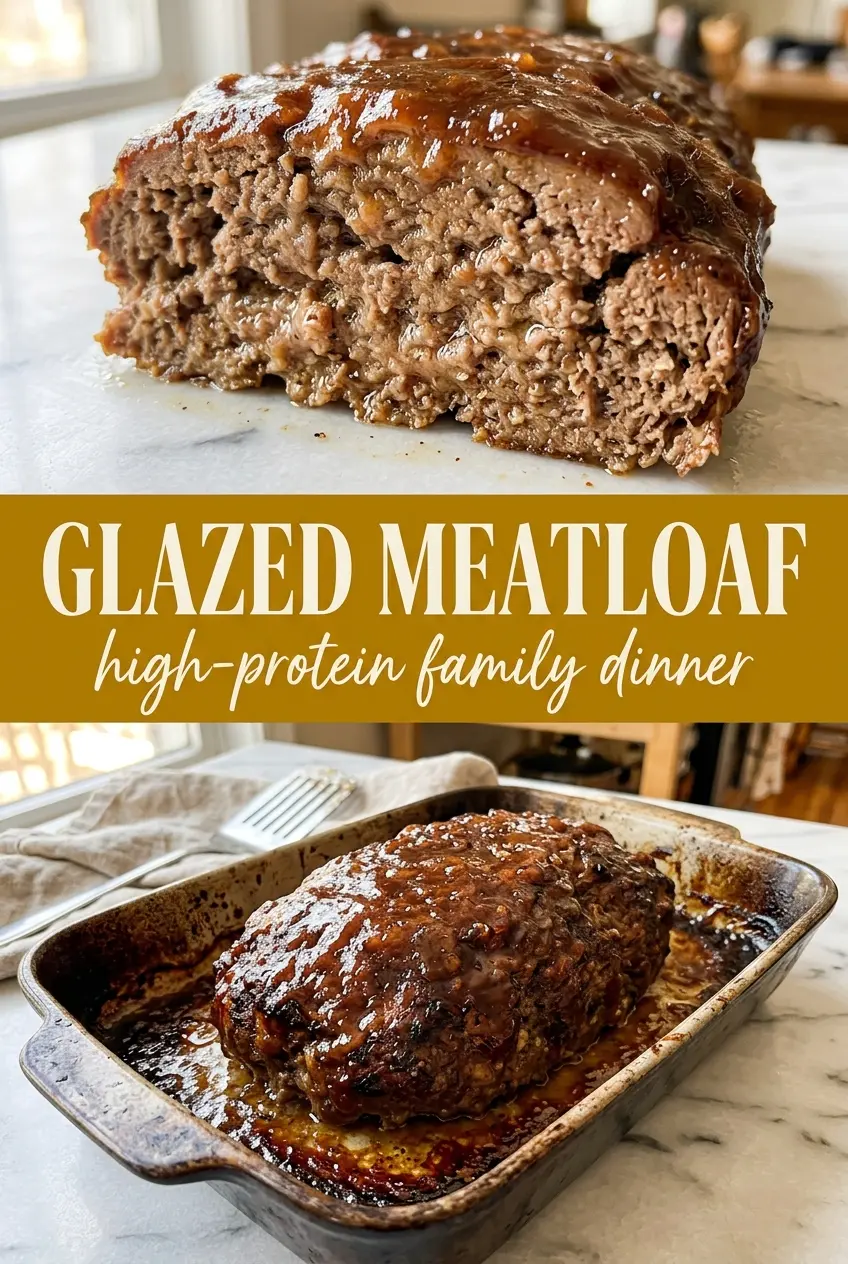
Classic Glazed Meatloaf
Ingredients
Equipment
Method
- Preheat oven to 375°F and place a baking dish or sheet pan in the oven as it heats so the loaf cooks evenly.
- Mix ground beef, breadcrumbs, eggs, milk, onion, garlic powder, salt, and pepper until just combined and evenly moistened.
- Shape the mixture into a loaf in a baking dish, compressing gently so it holds together.
- Whisk ketchup, brown sugar, and apple cider vinegar until smooth, then spread the glaze evenly over the top.
- Bake for 55–60 minutes at 375°F until the internal temperature reaches 160°F and the glaze looks glossy at the edges.
- Rest the meatloaf for 10 minutes before slicing to let juices redistribute and keep slices tidy.