
Fluffy quinoa, caramelized butternut squash, tart cranberries, and toasted pecans make this salad one of those dishes that disappears fast whether it’s served warm or chilled. The textures do the heavy lifting here: tender squash against nutty grains, little bursts of chew from the cranberries, and a crisp finish from the pecans. It eats like a full meal, not a side that got dressed up for the occasion.
What makes this version work is the balance. Roasting the squash instead of steaming it gives you browned edges and deeper sweetness, which matters because the dressing leans bright and sharp with apple cider vinegar. The maple syrup softens that tang just enough without turning the whole bowl sweet, and the feta brings in a salty, creamy note that keeps every bite from feeling one-dimensional.
Below, I’ve included the timing detail that makes this salad easier on a busy day, plus a few swaps that still keep the texture intact. If you’ve ever had grain salads turn soggy or flat by the time they hit the table, this one solves both problems.
The quinoa stayed fluffy, the squash got those caramelized edges, and the dressing tied everything together without making it soggy. I made it for lunch meal prep and it held up great for three days.
Save this butternut squash quinoa salad for lunches that need crunch, color, and a tangy maple dressing that still tastes good after chilling.
The Reason This Salad Stays Tasty Instead of Getting Watery
The biggest failure point in grain salads is moisture. If the squash is roasted until tender but still wet, and the quinoa goes into the bowl steaming hot, everything softens into one heavy mix. That’s not a texture problem you can fix later with more dressing. The answer is simple: roast the squash until the edges caramelize, and let the quinoa cool enough that it stays fluffy instead of clumping.
The other thing that keeps this salad from tasting flat is contrast. Sweet squash needs something sharp, which is why apple cider vinegar works better here than a mellow dressing. Pecans matter too. If they’re toasted, they bring a dry, buttery crunch that holds up against the softer ingredients.
- Roasting the squash — This gives you browned edges and concentrated sweetness. If you skip the roast and use squash that’s barely cooked, the salad tastes washed out.
- Cooling the quinoa — Warm quinoa is fine, but it should no longer be steaming. That short rest keeps the grains separate and helps the dressing coat them instead of disappearing.
- Toasting the pecans — Raw pecans can taste muted here. A few minutes in a dry skillet wakes them up and keeps the salad from leaning soft.
What Each Ingredient Is Actually Doing in This Bowl
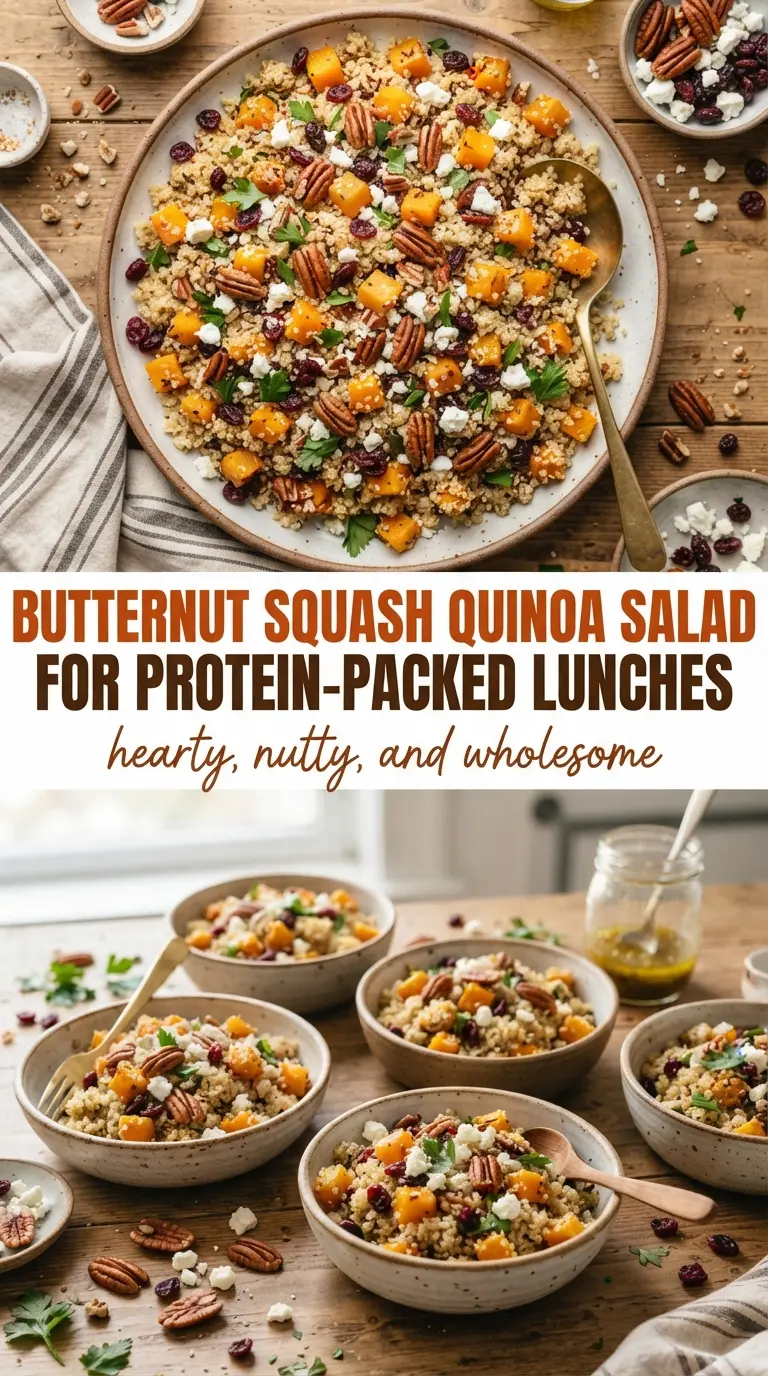
- Quinoa — This is the backbone of the salad. Rinse it before cooking to keep any bitterness away, then cook it until just tender so it stays light. White quinoa is the mildest choice, but tri-color works too if that’s what you have.
- Butternut squash — This brings the sweet, roasted flavor that makes the salad feel substantial. Cut the cubes evenly so they brown at the same rate; tiny pieces turn mushy before the bigger ones caramelize.
- Dried cranberries — They add chew and a sharp sweet-tart pop. If yours are very dry, toss them with the dressing first so they plump slightly before going into the bowl.
- Pecans — They give the salad its crunch and a toasted, buttery note. Walnuts work in a pinch, but they read more bitter and less soft and sweet than pecans.
- Feta — This is the salty finish that keeps the salad from tasting one-note. Goat cheese can replace it if you want something creamier, but the texture will be softer and the flavor tangier.
- Apple cider vinegar and maple syrup — These two set the tone of the dressing. The vinegar brightens the squash, and the maple syrup smooths the edges without making the salad sugary. Honey works too, but it tastes a little rounder and less crisp.
The 20 Minutes That Actually Matter
Roast the Squash Until the Edges Brown
Spread the squash in a single layer on a sheet pan and give it space. Crowding turns roasting into steaming, and that’s how you lose the caramelized edges that make this salad taste finished. You want tender centers and browned corners, not pale cubes that collapse when tossed.
Cook the Quinoa Light, Then Let It Breathe
Cook the quinoa until the grains are tender and the little tails have opened, then fluff it with a fork. Let it sit for a few minutes before assembling so the salad doesn’t turn dense. If it seems wet on top, leave it uncovered and stir once or twice as it cools.
Whisk the Dressing in a Separate Bowl
Combine the olive oil, vinegar, maple syrup, salt, and pepper until the mixture looks glossy and slightly thickened. That emulsion helps the dressing cling to the grains instead of pooling at the bottom of the bowl. If the maple syrup sinks, whisk a little longer before pouring it over the salad.
Assemble in the Right Order
Add the quinoa, squash, cranberries, pecans, and feta, then pour the dressing over everything and toss gently. The squash should stay in chunks, not smear into the quinoa. Taste once it’s mixed; quinoa can swallow salt, so the finished salad often needs one last pinch.
How to Adapt This for Different Tables and Different Pantries
Dairy-Free Version
Leave out the feta and add a pinch more salt plus a few extra toasted pecans. The salad stays balanced because the squash and vinaigrette already carry plenty of flavor, and you won’t miss the cheese if you lean into the crunch.
Make It Vegan
This one is almost there already. Swap the feta for a vegan feta or skip it entirely, then use maple syrup as written. The texture stays the same, and the dressing still gives the salad enough lift.
Swap the Nuts
Walnuts, hazelnuts, or pumpkin seeds all work if pecans aren’t in the pantry. Pumpkin seeds bring a more savory crunch, while walnuts taste a little earthier and less sweet.
Storage and Reheating
- Refrigerator: Keeps for 3 to 4 days in a sealed container. The quinoa absorbs dressing as it sits, so the salad gets a little more cohesive by day two.
- Freezer: I don’t recommend freezing this salad. The squash turns watery and the quinoa loses its clean, fluffy texture after thawing.
- Reheating: Eat it cold, room temperature, or warmed only slightly. If you want it warm, take out the portion first and heat it gently for short bursts so the feta doesn’t melt and the cranberries don’t turn tough.
Answers to the Questions Worth Asking
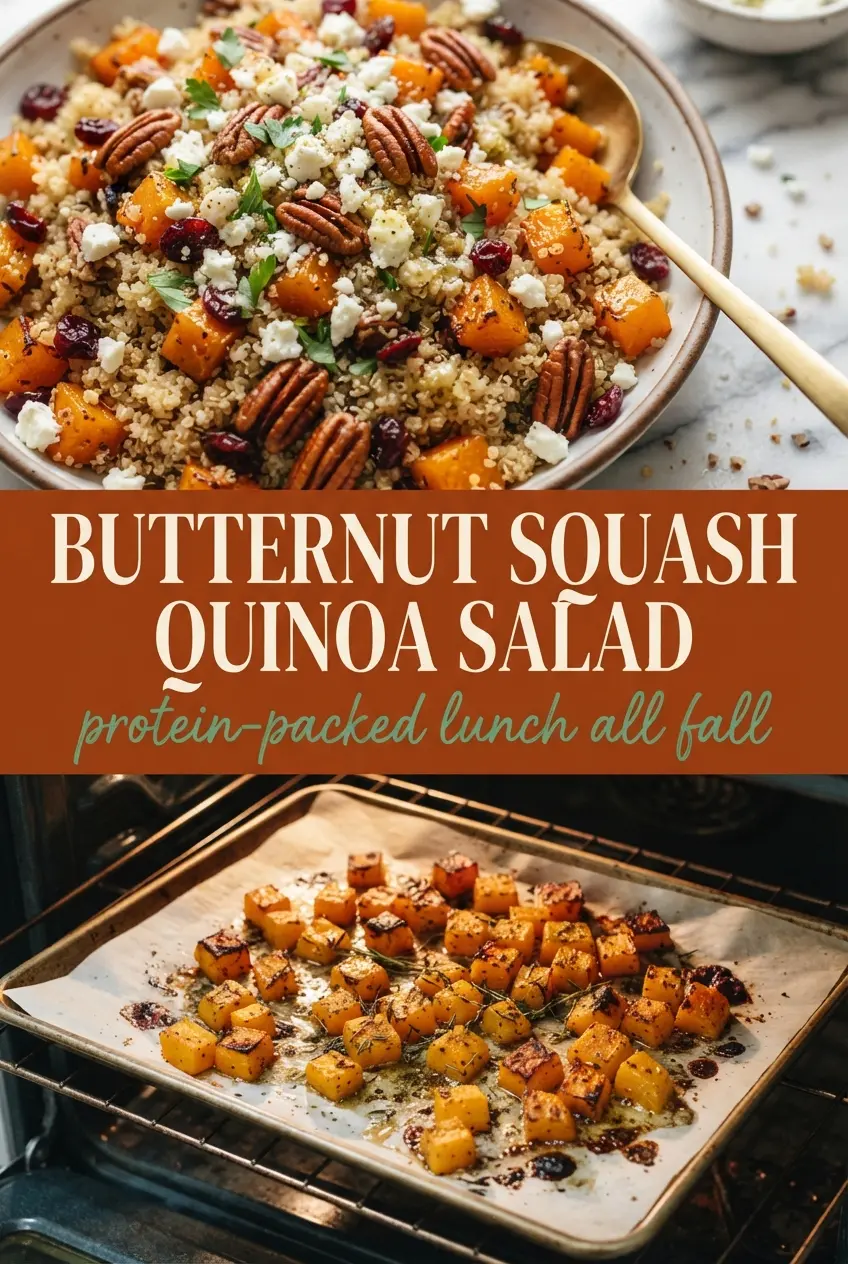
Butternut Squash Quinoa Salad with Cranberries
Ingredients
Equipment
Method
- Cook the quinoa according to package instructions and let cool slightly, keeping it fluffy and separate.
- Roast the butternut squash cubes at 425°F for 25 minutes until caramelized and tender, then set aside to cool slightly.
- Combine the cooked quinoa, roasted squash, dried cranberries, pecans, and feta in a large bowl.
- Whisk together the olive oil, apple cider vinegar, maple syrup, salt, and pepper until the dressing looks evenly blended.
- Pour the dressing over the salad and toss well to combine, coating everything evenly.