
Hobo dinner foil packets deliver the kind of meal that feels bigger than the effort it takes to get there: tender potatoes, soft onions, sweet carrots, and a juicy beef patty all steaming together with butter and seasoning. The foil does the work for you. It traps the heat, holds in the juices, and turns a handful of simple ingredients into a dinner that tastes like it came off a campfire grate.
The part that makes this version work is the cut size. Potatoes and carrots need to be small and even so they finish when the beef does, and the butter goes on top instead of mixed in so it melts through everything as the packet cooks. Heavy-duty foil matters too, especially if these are going over coals, because thin foil tears and leaks long before the vegetables turn tender.
Below, I’ve added the little details that keep these packets from turning out undercooked or dry, plus a few useful ways to adapt them for the oven, the grill, or different diets.
I cut the potatoes smaller like you said and everything finished at the same time — the beef stayed juicy and the carrots were tender instead of crunchy. My husband asked if we could make these again on our next camping trip.
Save these hobo dinner foil packets for a campfire meal with juicy beef, buttery potatoes, and tender vegetables all in one packet.
The Trick to Evenly Cooked Hobo Dinner Packets
Most foil packet dinners fail for one simple reason: the vegetables and the meat need different amounts of time, and the packet gets opened too soon. If the potatoes are cut too large, the beef will be done before anything else has softened. If the foil is wrapped loosely, steam escapes and the vegetables dry out before they turn tender.
The fix is to think in terms of steam cooking, not open-pan roasting. Small potato cubes, thin carrot slices, and a tightly sealed packet give you the gentle heat that cooks everything through at the same pace. The butter also helps carry seasoning through the vegetables instead of leaving the flavor sitting on top.
- Potatoes: Cut them into small, even cubes so they soften by the time the beef is cooked. Yukon Gold or red potatoes hold their shape well, but russets work if you don’t mind a softer texture.
- Carrots: Slice them thin enough to lose their raw crunch in 35 to 40 minutes. Thick coins stay firm in the center.
- Heavy-duty foil: This matters more than people think. Thin foil can split when you fold it or tear over hot coals, which lets juices leak out.
- Butter: Put it on top of the vegetables and beef so it melts downward as the packet cooks. Melted butter mixed into the filling from the start doesn’t coat the food as evenly.
What Each Ingredient Is Actually Doing in This Dish
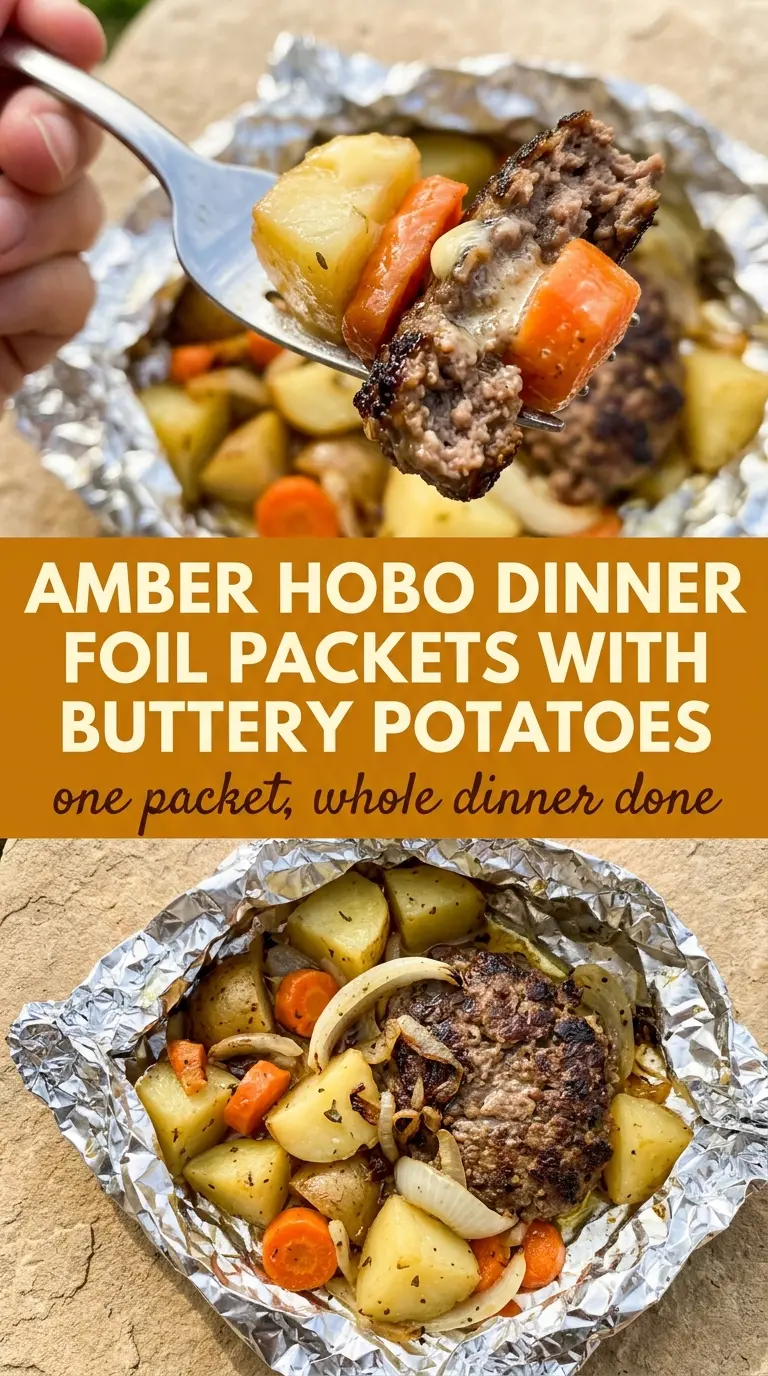
Ground beef: Forming the beef into patties keeps the packets tidy and helps the meat cook in one solid piece instead of crumbling into the vegetables. An 80/20 blend gives the best balance of flavor and juiciness; leaner beef can taste dry unless you add a little extra butter.
Potatoes: These are the backbone of the packet, so choose a potato that holds up to heat. If you’re using russets, peel them if the skins are thick or rough, then cut them smaller than you think you need.
Carrots and onion: Carrots bring sweetness and the onion softens into something mellow and savory. Slice the onion fairly thin so it doesn’t stay sharp after cooking.
Garlic powder and paprika: These season the packet without adding moisture, which is exactly what you want here. Fresh garlic tends to scorch in a foil packet; garlic powder is steadier.
Butter: This is what gives the vegetables that rich, glossy finish. If you want to lighten it a little, use half butter and half olive oil, though the result won’t taste quite as round.
Build the Packets So the Steam Works for You
Getting the Base in Place
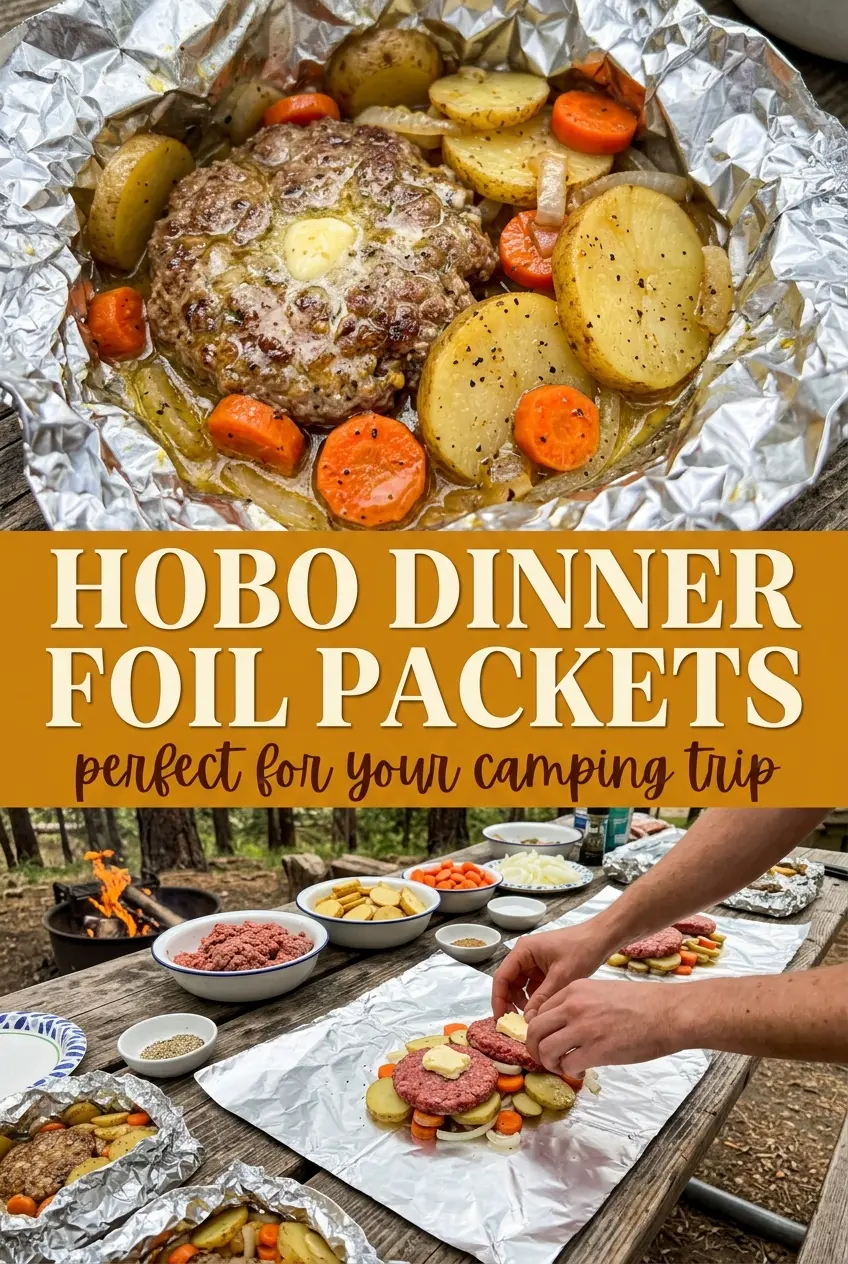
Lay out the foil and add the beef patty first so it sits closest to the hottest part of the packet. Pile the vegetables around and over the meat, then season everything before the butter goes on top. If you season only the meat, the potatoes can taste bland even when the beef is well seasoned.
Sealing in the Right Amount of Heat
Fold the foil up and crimp the edges tightly, but leave a little room inside for steam to circulate. A packet packed flat against the food cooks unevenly and can tear when the juices start bubbling. Double-wrap it if you’re cooking over campfire coals, especially if the coals are active rather than just glowing.
Knowing When They’re Done
Cook the packets until the potatoes are tender when pierced and the beef is cooked through. The easiest mistake here is opening them as soon as the timer goes off even though the potatoes still need a few more minutes. If that happens, reseal the packet and give it another 5 to 10 minutes rather than trying to rescue it by piling the food directly over harsher heat.
How to Adapt These Packets for the Oven, Grill, or Different Diets
Oven-Baked Hobo Dinner Packets
Bake them at 400°F on a sheet pan so they stay flat and easy to move. The oven gives you steadier heat than coals, which is useful if you’re cooking more than a few packets at once. The texture stays the same, just with a little less smoke and char.
Grill Version with a Little More Browning
Set the packets over medium heat, not screaming-hot grates, so the outside doesn’t scorch before the vegetables soften. A grill gives the beef a slightly deeper flavor, but the vegetables still need the same small cut size to finish on time.
Dairy-Free Version
Swap the butter for olive oil or a plant-based butter that handles heat well. You’ll lose a little of that classic campfire richness, but the packets still turn out moist and savory.
Make It Meatless
Use thick slices of mushrooms or a plant-based ground instead of beef, then shorten the cook time if your substitute doesn’t need as long in the heat. Mushrooms bring a savory depth that fits the packet well, but they release more moisture, so don’t overfill the foil.
Storage and Reheating
- Refrigerator: Store leftovers in an airtight container for up to 3 days. The potatoes soften a bit more as they sit.
- Freezer: These freeze fairly well, though the potatoes will be softer after thawing. Wrap cooled packets tightly or transfer the filling to freezer-safe containers for up to 2 months.
- Reheating: Reheat covered in a 350°F oven until hot, or warm in a skillet with a splash of water and a lid. The biggest mistake is blasting them in the microwave without coverage, which dries out the beef and toughens the vegetables.
Answers to the Questions Worth Asking
Hobo Dinner Foil Packets
Ingredients
Equipment
Method
- Cut four large squares of heavy-duty foil and lay them flat.
- Place a beef patty on each piece of foil, then top each with cubed potatoes, sliced carrots, and sliced onion.
- Season each packet with garlic powder, paprika, salt, and pepper.
- Top each packet with a pat of butter.
- Fold and seal each packet tightly, leaving a little room for steam.
- Cook over campfire coals or bake at 400°F for 35-40 minutes until the potatoes are tender.
- Carefully open the packets, watching for hot steam, and serve.