
Massaged kale turns from tough and fibrous into something tender enough to eat like a proper salad, and that matters here because the greens need to hold up against warm roasted sweet potato, crisp apple, tart cranberries, and a bright lemon-maple dressing. The result is hearty without feeling heavy, with enough crunch and sweetness to keep each bite interesting.
The key is giving the kale time to soften before anything else goes in. Two minutes with olive oil and a pinch of salt changes the texture in a way no dressing can fix later. Roasting the sweet potato until the edges caramelize also matters; soft cubes will disappear into the salad, while browned edges give the bowl some depth.
Below, I’m breaking down the few small choices that make this salad hold together for days instead of going limp by lunchtime. If you’ve ever ended up with a bowl of dressed greens that collapsed after an hour, this version solves that problem without making the recipe fussy.
The kale softened perfectly after massaging it, and the salad stayed crisp even the next day. The sweet potato and apple balance is spot on, and the dressing didn’t make it soggy.
Save this Harvest Kale Salad for lunches that need to stay crisp, colorful, and satisfying for days.
The Reason This Salad Stays Good After Lunch
Kale is one of the few greens that can handle dressing ahead of time, but only if you soften it first. If you skip the massage, the leaves stay stiff and dry, and the dressing never really clings; it pools at the bottom of the bowl instead of coating every bite. The olive oil and salt do more than season the greens. They physically change the leaves, making them darker, silkier, and easier to chew.
The other piece that keeps this salad from turning dull is contrast. The roasted sweet potato brings warmth and body, the apple keeps things fresh and sharp, and the pepitas add a clean crunch that doesn’t get lost under the dressing. Parmesan gives the bowl a salty finish, but it’s there to sharpen the flavors, not bury them.
What Each Ingredient Is Actually Doing in This Bowl
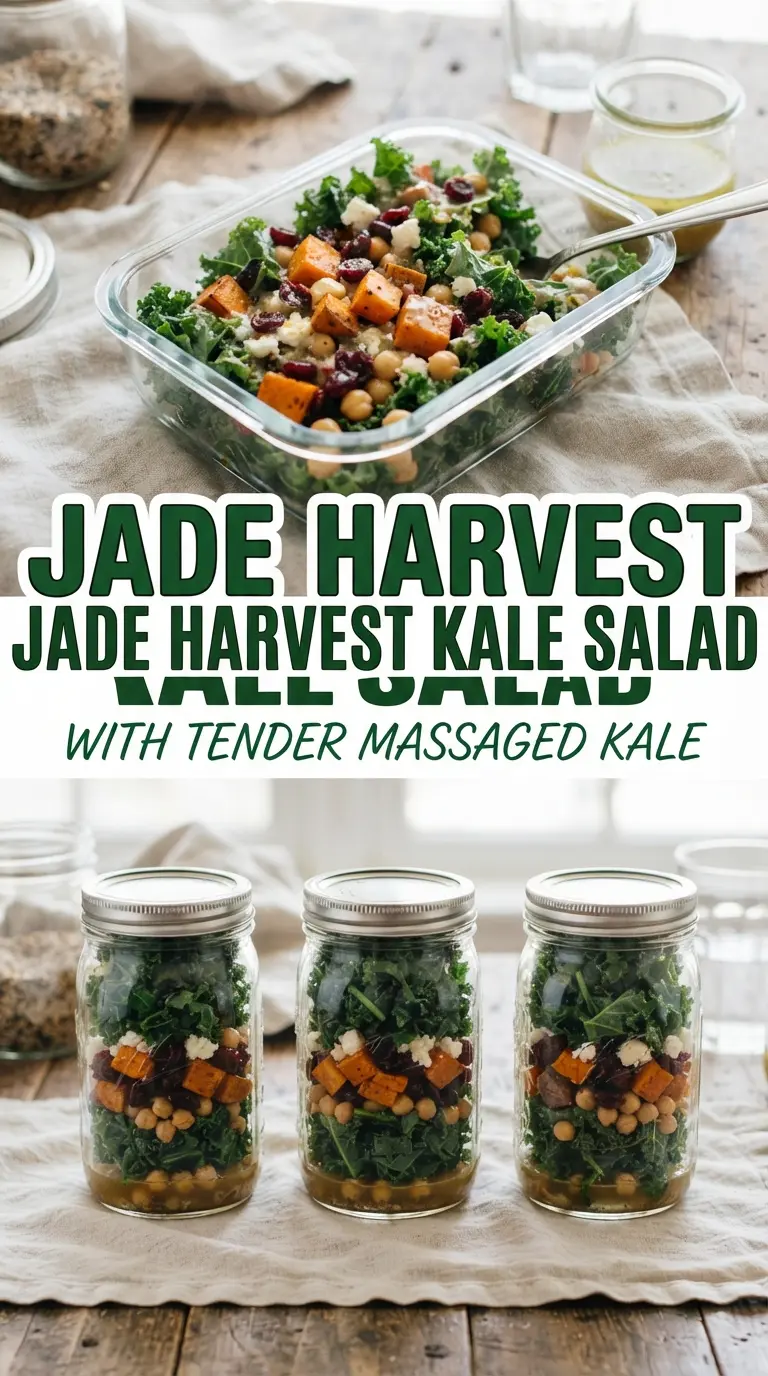
- Kale — Curly or lacinato both work, but curly kale gives more texture while lacinato feels a little softer once massaged. Stem it well; the stems stay woody even after dressing. The massage is not optional here, because it turns the leaves from tough to tender.
- Sweet potato — Roast it until the edges brown and the cubes hold their shape. Under-roasted sweet potato tastes flat in this salad, and soft cubes can smear into the dressing. A little caramelization gives the whole bowl more depth.
- Apple — Use a crisp, firm apple so the pieces stay snappy after tossing. A soft apple turns mealy and gets swallowed by the kale. If you want a sharper contrast, choose a tart variety; if you like a sweeter salad, use something like Honeycrisp.
- Dried cranberries — These add concentrated tart-sweet bites that wake up the greens. Fresh cranberries won’t work here because they’re too sharp and hard. If your cranberries are very dry, toss them with the dressing for a few minutes before serving so they soften slightly.
- Pepitas — They bring the crunch that makes this salad feel complete. Add them at the end so they stay crisp. Sunflower seeds can step in if that’s what you have, but pepitas have a cleaner, nuttier flavor.
- Parmesan — Shaved Parmesan melts just enough against the dressing to add salt and richness without making the salad heavy. Pre-shaved is fine, but a block shaved thin with a vegetable peeler tastes better and looks cleaner in the bowl.
- Lemon juice and maple syrup — This pairing gives the dressing its shape: lemon for brightness, maple for roundness. If you cut the maple, the dressing can taste too sharp against the sweet potato and apple. If you use honey instead, the salad will taste a little warmer and less clean.
- Dijon mustard — Dijon helps the dressing emulsify, so the oil and lemon stay blended instead of separating. Yellow mustard won’t give the same backbone. Just a teaspoon is enough to make the dressing feel cohesive.
The Small Steps That Keep the Salad Crisp
Massaging the kale until it changes texture
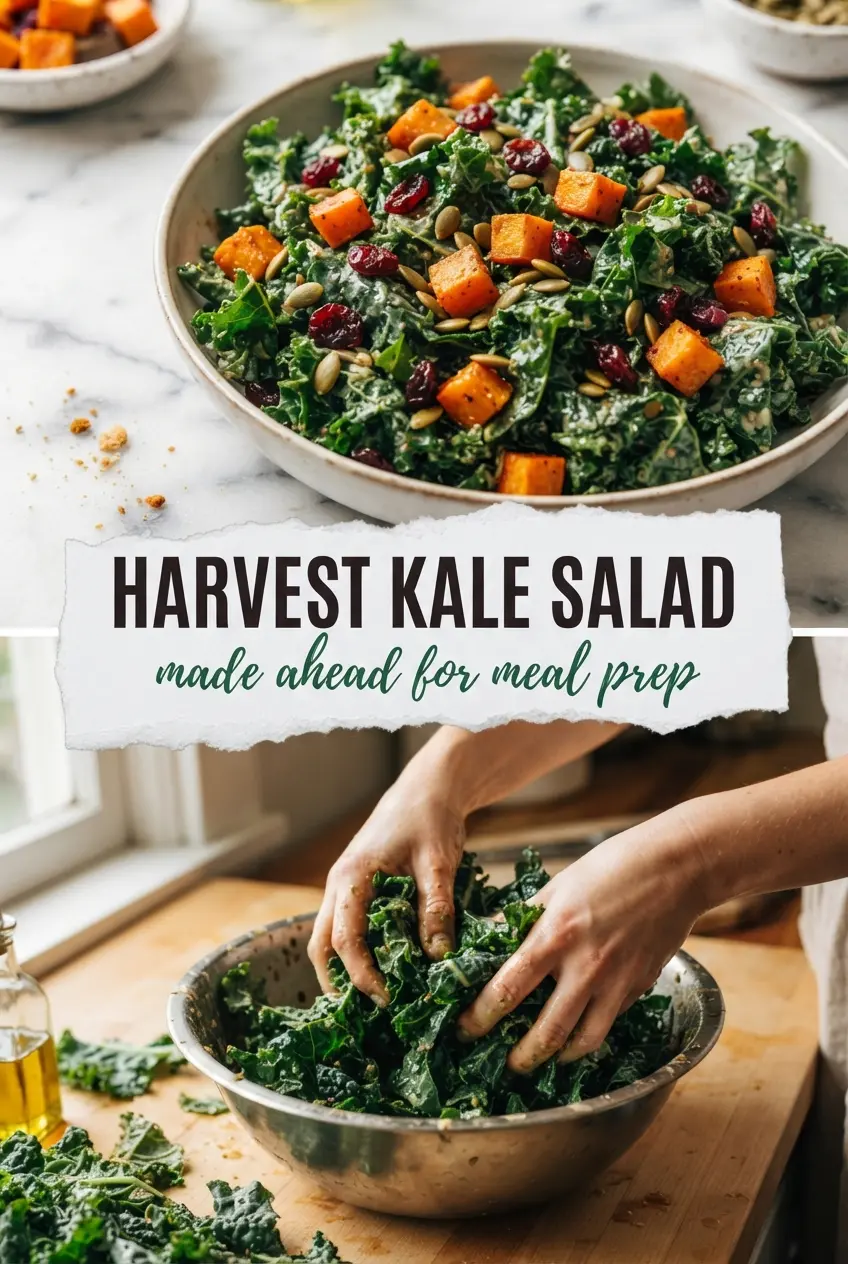
Put the chopped kale in a large bowl with the olive oil and a pinch of salt, then work it with your hands for about two minutes. You’re looking for the leaves to darken, shrink slightly, and feel soft instead of scratchy. If the kale still feels stiff, keep going for another minute. This step is what turns the salad from tough to tender, and it also helps the dressing cling later.
Roasting the sweet potato for browning, not mush
Roast the cubes until the edges are deeply golden and the centers are just tender when pierced. If they’re undercooked, they’ll taste starchy and bland; if they’re overcooked, they’ll collapse into the salad. Spread them out in a single layer so they roast instead of steam. Crowding the pan is the fastest way to lose that caramelized edge.
Whisking the dressing until it looks unified
Combine the olive oil, lemon juice, maple syrup, Dijon, salt, and pepper in a small bowl and whisk until the mixture looks slightly thick and glossy. If it separates right away, keep whisking for a few more seconds; the mustard is doing the work here. The dressing should taste bright first and balanced second. If it tastes flat, it usually needs a touch more salt rather than more maple.
Tossing in the right order
Add the sweet potato, apple, cranberries, and pepitas after the kale is fully softened. Pour the dressing over the top and toss until every leaf has a light coating. Add the Parmesan last so it stays visible and doesn’t disappear into the bowl. If you dress the salad too far ahead of serving, the apple can soften, so for the best texture, hold the apple until the end if you’re making it more than a few hours in advance.
How to Adapt This for Different Menus and Schedules
Make it dairy-free without losing the salty finish
Skip the Parmesan and add an extra pinch of salt to the dressing, or use a dairy-free Parmesan-style topping if you like that savory edge. The salad still works because the sweet potato, apple, and Dijon carry the flavor, but you’ll lose a little richness without the cheese.
Make it vegan with one small swap
The recipe is already close, so the only thing to check is the cheese. Leave out the Parmesan or replace it with a plant-based alternative. The maple dressing keeps the salad balanced and bright, so you won’t miss the dairy for structure.
Add protein for dinner
Grilled chicken, roasted chickpeas, or cooked quinoa all fit this bowl well. Chickpeas keep it vegetarian, while chicken makes it more filling without changing the texture of the salad. Add protein after tossing so you don’t bury the greens under heavier ingredients.
Storage and Reheating
- Refrigerator: Stores well for up to 4 days. The kale softens a little more as it sits, which works in its favor, though the apple will lose some crunch by day three.
- Freezer: Don’t freeze this salad. The kale, apple, and dressing all break down in the freezer and turn watery once thawed.
- Reheating: No reheating needed. If you want the sweet potato a little warmer, reheat that ingredient separately before assembling the salad. Tossing the whole bowl with heat will wilt the greens and make the apple soft.
Questions I Get Asked About This Recipe
Harvest Kale Salad
Ingredients
Equipment
Method
- Massage the kale with 1 tablespoon of olive oil and a pinch of salt for 2 minutes until tender and bright green.
- Whisk the dressing ingredients in a small bowl until the lemon juice and maple syrup are fully blended and glossy.
- Toss the kale with the roasted sweet potato, apple, cranberries, and pepitas until evenly distributed.
- Add the dressing and toss well so the kale looks lightly coated and slightly glossy.
- Top with Parmesan and serve now or refrigerate up to 4 days for best texture.