
Thinly sliced potatoes, seasoned ground beef, and a creamy cheddar sauce turn into the kind of casserole that disappears fast once it hits the table. The potatoes go tender all the way through, the beef keeps every bite hearty, and the top bakes into a golden, bubbling crust that slices cleanly instead of collapsing on the plate. It’s the sort of dinner that feels familiar in the best way, with enough texture and richness to keep every forkful interesting.
What makes this version work is the way the sauce is built before it ever goes near the oven. A quick butter-and-flour base gives the milk enough body to coat the potatoes instead of sliding off them, and melting the cheddar into that sauce keeps it smooth. Thin, even potato slices matter here more than almost anything else. If they’re uneven, you end up with a mix of hard centers and mushy edges.
Below, I’ll walk through the one step people usually rush, the ingredient choices that actually matter, and a few easy ways to adapt the casserole without losing that cozy, baked-through finish.
The cheese sauce stayed smooth and the potatoes were tender right on time. I used a mandoline for the slices and the whole casserole came out perfectly layered instead of half crunchy, half soft.
Save this ground beef and potato casserole for the nights when you want a creamy, hearty bake with pantry ingredients and a crisp golden top.
The Potato Slices Are Doing More Work Than You Think
In a casserole like this, the potatoes aren’t just a filler layer. They’re the structure of the dish, and they need enough time and moisture to soften all the way through before the top browns. That’s why thin slicing matters so much. If the slices are thick or uneven, the edges cook at a different pace than the centers, and no amount of extra cheese on top can hide that.
The other trap is rushing the bake uncovered. You want the foil on for most of the cooking time so the potatoes steam in the sauce and the beef juices. Uncovering too early dries the top before the middle is tender. The last 15 minutes are there for color, not for cooking the potatoes from scratch.
- Ground beef — Use 80/20 if you can. A little fat keeps the beef moist and gives the casserole more flavor, but drain off any excess grease so the sauce doesn’t turn oily.
- Potatoes — Yukon Golds hold their shape well and turn creamy, while russets soften more and give a fluffier bite. Either works if the slices are thin and even.
- Cheddar cheese — Sharp cheddar gives the best flavor because the sauce doesn’t have many ingredients to hide behind. Pre-shredded cheese works, but freshly shredded melts smoother because it doesn’t carry the anti-caking coating.
- Milk, flour, and butter — This is the sauce base that keeps the casserole from baking up dry. Whole milk gives the richest result, though 2% works if that’s what you have.
The Sauce Needs to Thicken Before the Cheese Goes In
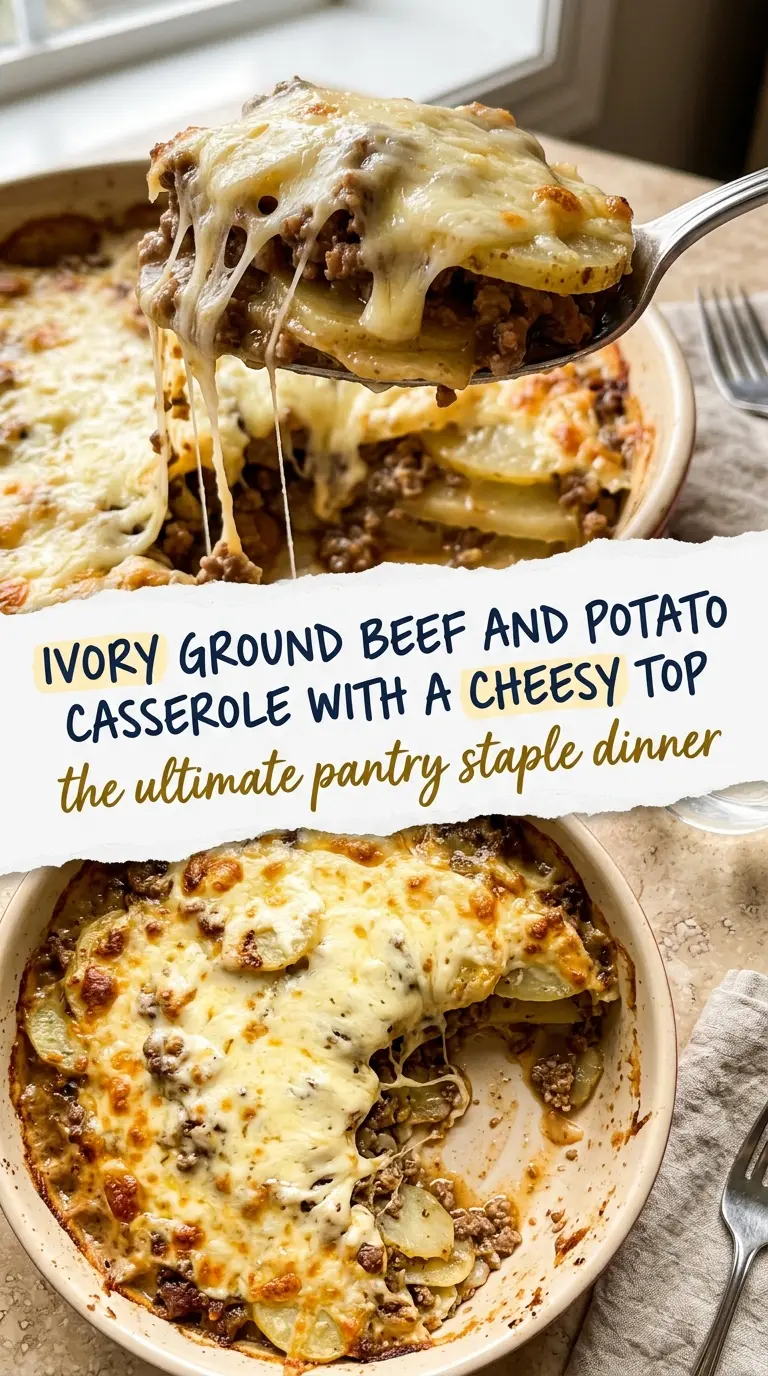
If the sauce is thin when the cheese goes in, it never really recovers. The flour needs a minute in the butter to lose that raw taste, then the milk has to cook long enough to turn glossy and coat the back of a spoon. That’s the point where the cheddar melts in smoothly instead of clumping or turning grainy.
The beef and onion should be cooked before the sauce starts. That gives you time to season the meat properly and keeps the casserole from depending on the sauce alone for flavor. Once everything goes into the baking dish, the sauce should look a little loose. It tightens as the potatoes bake and release a bit of starch, which is exactly what you want.
Browning the Beef and Onion
Cook the ground beef with the diced onion over medium heat until the meat is no longer pink and the onion has softened. The pan should have some browned bits stuck to the bottom, but not a heavy crust of burnt residue. If there’s a lot of fat in the skillet, drain it off before the casserole goes together. Too much grease makes the sauce separate and leaves a slick layer on top.
Building the Cheese Sauce
Melt the butter, whisk in the flour, and let it bubble for about a minute before adding the milk slowly. Whisk constantly so the mixture stays smooth and thickens evenly. When it starts to coat a spoon and you can drag a line through it with your finger, stir in half the cheddar until melted. If you add the cheese while the sauce is still watery, it won’t hold the casserole together the way it should.
Layering for Even Baking
Spread the potatoes in even layers and spoon some of the beef and sauce over each one instead of dumping everything into one heavy middle layer. That helps the potatoes cook through at the same pace. Finish with the remaining cheddar on top, then cover tightly with foil. Tight foil matters here because escaping steam is what finishes the potatoes.
Finishing Under the Broiler-Style Top
After the covered bake, remove the foil and keep baking until the top is deeply golden and the potatoes are tender when pierced with a knife. If the casserole looks done but the potatoes still resist, give it another 10 minutes covered. A browned top is not worth serving hard potatoes underneath.
What to Change When You Want It a Little Different
Dairy-Free Version with a Different Kind of Creaminess
Swap the butter for olive oil or dairy-free butter, use an unsweetened non-dairy milk, and choose a meltable dairy-free cheddar-style shreds. The flavor shifts a little less rich and a little more savory, but the casserole still bakes up creamy if you keep the sauce thick before it goes into the pan.
Make It Gluten-Free Without Losing the Sauce
Use a 1:1 gluten-free flour blend in place of the all-purpose flour. The sauce may thicken a touch faster, so whisk in the milk slowly and stop cooking once it coats a spoon. The texture stays close to the original as long as the sauce gets fully thick before baking.
Swap the Cheese for a Sharper, Saltier Finish
Try a mix of cheddar and a little Monterey Jack, or add a handful of Parmesan to the top. The cheddar still gives the sauce body, while the extra cheese adds a stronger finish and a better browned crust. Keep one melting cheese in the sauce so the texture stays smooth.
Storage and Reheating
- Refrigerator: Store leftovers covered for up to 4 days. The potatoes will firm up a little as they chill, but the casserole still reheats well.
- Freezer: It freezes best before baking. Assemble the casserole, wrap it tightly, and freeze for up to 2 months. Baked leftovers can be frozen, but the potatoes soften more after thawing.
- Reheating: Reheat covered in a 350°F oven until hot in the center, then uncover for the last few minutes if you want the top to crisp again. The biggest mistake is blasting it in the microwave, which makes the cheese separate and turns the potatoes rubbery.
Questions I Get Asked About This Recipe
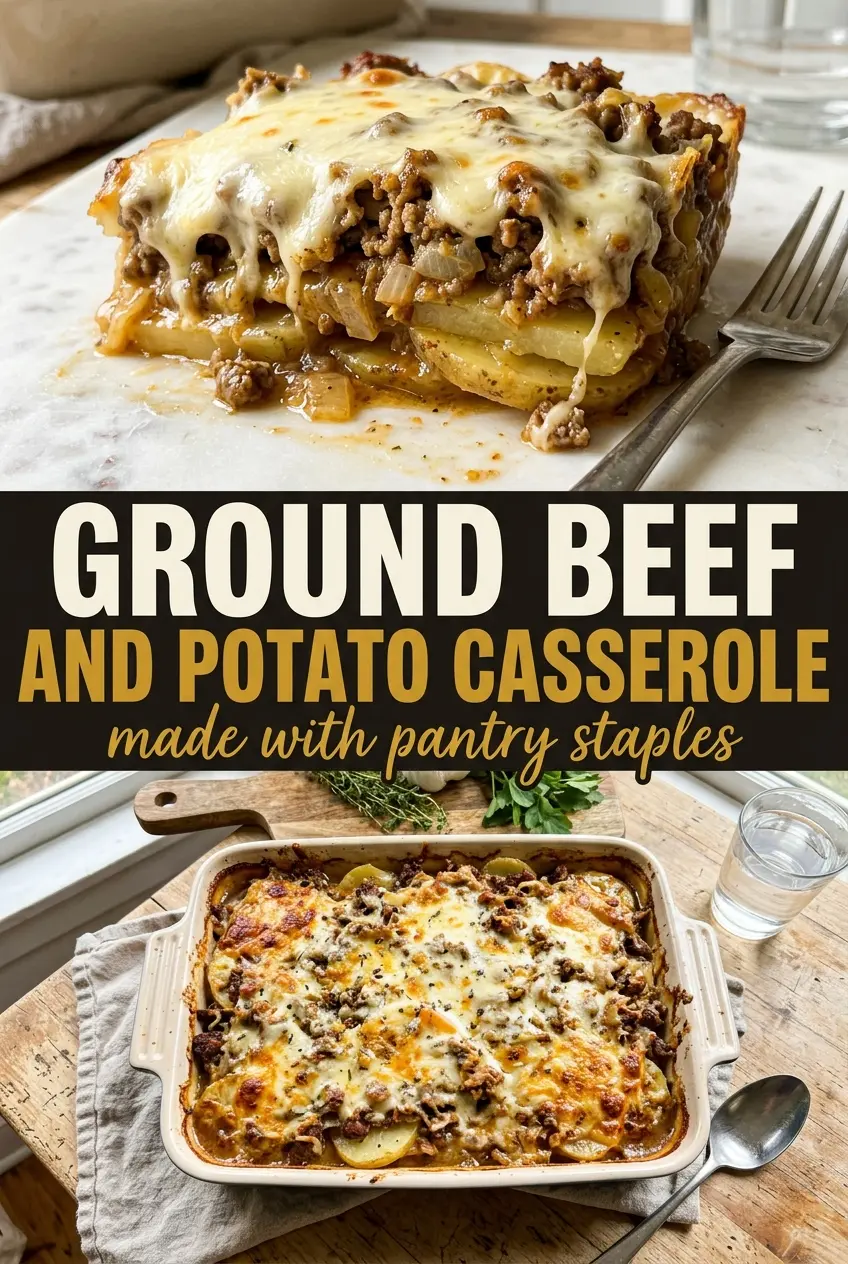
Ground Beef And Potato Casserole
Ingredients
Equipment
Method
- Preheat the oven to 375°F, so it’s hot and ready for baking. Clear a baking dish area for quick layering once the filling is ready.
- Brown the ground beef with the diced onion in a cast iron skillet over medium-high heat, then season with salt and pepper. Cook until the beef is no longer pink, with visible browning on the meat.
- Melt the butter in a saucepan over medium heat, then whisk in the flour until smooth. The mixture should look like a thick paste that bubbles gently.
- Gradually add the milk while whisking, cooking until thickened and glossy. Keep whisking until the sauce coats the back of a spoon.
- Stir in half the cheddar cheese until melted into a smooth sauce. Stop when no cheese lumps remain and the sauce looks uniformly creamy.
- Layer half the thinly sliced potatoes and half the beef in a baking dish, then pour cheese sauce between layers. Repeat with the remaining potatoes and beef so the casserole is layered throughout.
- Top with the remaining cheddar cheese and cover the baking dish with foil. Aim for full coverage so steam can cook the potatoes evenly.
- Bake at 375°F for 45 minutes covered, until the potatoes are beginning to soften. Look for bubbling at the edges under the foil.
- Bake at 375°F for 15 minutes uncovered, until the potatoes are tender and the top is golden. Watch for a browned, bubbly surface and a fork-tender potato texture.