
Golden crescent dough wrapped around tender cinnamon apples is the kind of dessert that disappears before it ever cools. The outside bakes up crisp and buttery, the apple inside stays soft with just enough bite, and the pan sauce turns into a sticky glaze that clings to every edge. What you get is all the comfort of apple pie without the fuss of rolling crust or blind-baking anything.
The trick is using crescent dough sheets or seams-pressed triangles so the pastry hugs the apple without opening up in the oven. Tossing the wedges with sugar and cinnamon before wrapping draws out a little juice, which helps the apples steam inside the dough instead of drying out. Then the butter-sugar-cider mixture goes over the top and bubbles into the bottom of the dish, where it acts like a built-in sauce.
Below, I’ll walk through the part that keeps the dough from turning pale or soggy, plus the best apple swaps and how to keep the glaze from setting too fast once the bites come out of the oven.
The sauce bubbled up around the bites exactly like you said, and the dough stayed flaky instead of soggy. I used Granny Smith apples and the sweet glaze balanced them perfectly.
Save these Crescent Roll Apple Pie Bites for the next time you want flaky apple dessert with a sticky cinnamon glaze and almost no cleanup.
The Secret to Keeping the Bottoms from Going Soft
The biggest mistake with these bites is treating them like hand pies. They aren’t sealed pastries. They’re wrapped apples sitting in a syrupy bath, which means the dough gets its color from both the oven heat and the bubbling sauce in the pan. If the dish is overcrowded, the bottoms steam before they brown, and you lose that crisp edge that makes these worth making.
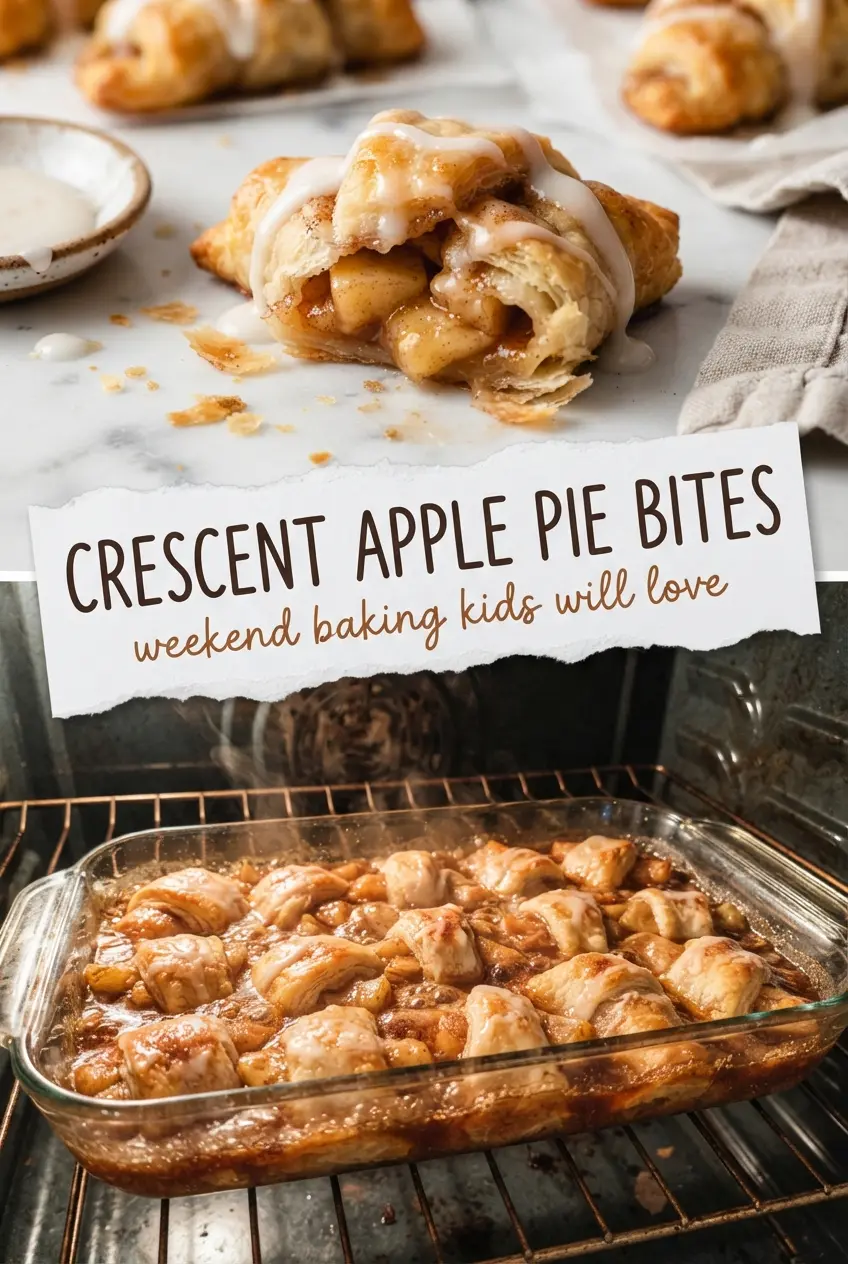
Spacing matters more than people think. Give each wrapped apple enough room for hot air to move around it, and bake until the dough is deeply golden, not just pale and set. The sauce should be actively bubbling around the edges before you pull the pan out. That bubbling is the sign that the sugar has cooked into a glaze instead of staying thin and watery.
What Each Ingredient Is Actually Doing in This Dish
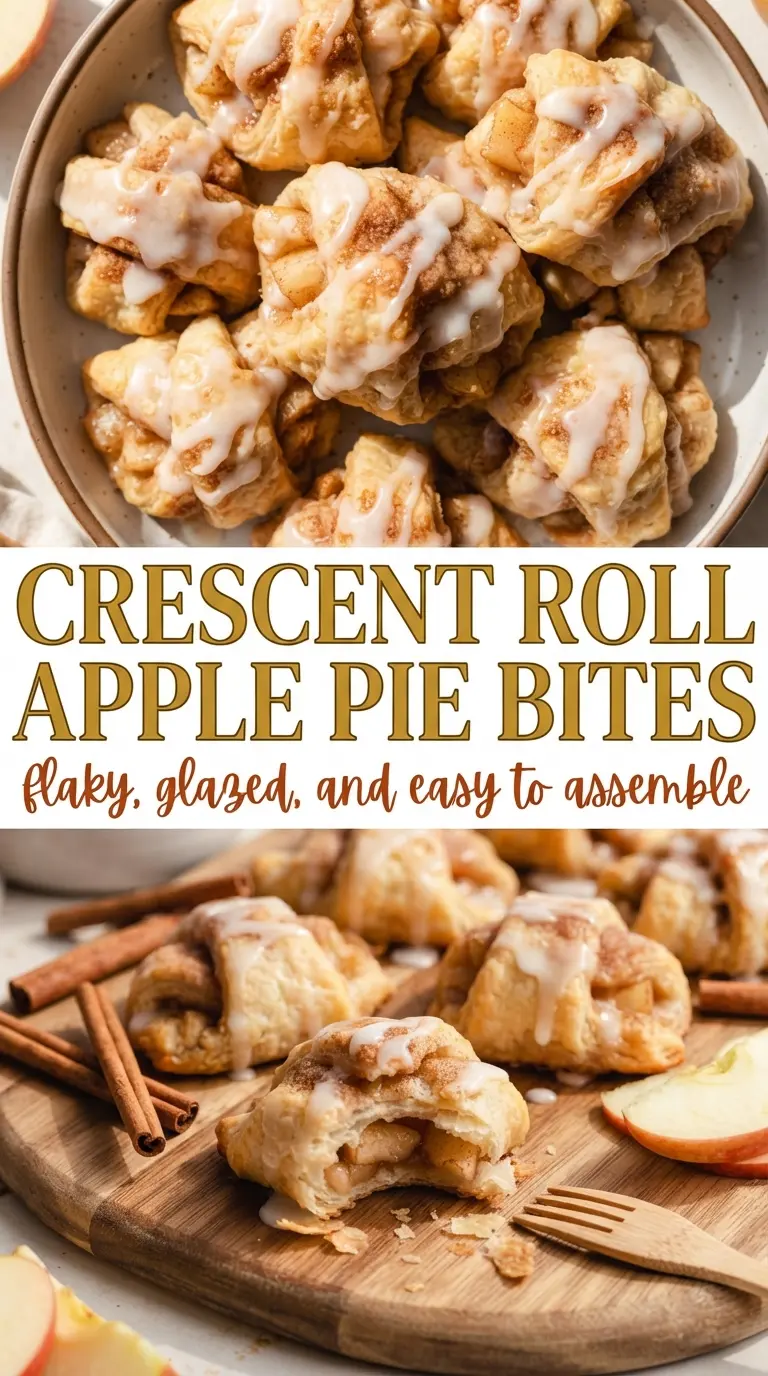
- Crescent dough sheets — These give you the flaky, buttery shell without extra work. Sheets are easier than perforated rolls because you can cut cleaner triangles and avoid seams splitting open. If you only have regular crescent rolls, press the seams together before cutting.
- Apples — Tart apples like Granny Smith hold their shape and keep the filling from turning mushy under the hot sauce. Softer apples will work, but they collapse faster and make the bites sweeter and less defined. Cut the wedges evenly so they finish at the same time.
- Butter, sugar, and apple cider — This is the pan sauce, and it does more than add sweetness. The butter gives richness, the sugar thickens into a glaze as it bakes, and the cider brings apple flavor into the bottom of the dish. Juice works in a pinch, but cider tastes deeper.
- Cinnamon — It needs to go on the apples before wrapping so it sticks to the fruit instead of floating in the sauce. That little coating keeps every bite warm and spiced all the way through.
- Powdered sugar and milk — This is the finishing drizzle, not the main glaze. Keep it loose enough to drizzle, but not watery, or it will disappear into the warm pastry instead of sitting on top.
How to Build the Glaze and Bake the Bites Until They Set
Coating the Apples First
Toss the apple wedges with the cinnamon and some of the sugar before wrapping them. That step pulls a little moisture to the surface and gives the fruit a spiced coating that tastes baked in, not sprinkled on top at the end. If the apples look glossy and lightly damp, you’re in the right place. Dry cinnamon on raw fruit tends to bake off instead of sinking into the filling.
Wrapping Without Breaking the Dough
Lay each wedge on the wide end of a triangle and fold the dough up and around it without stretching it thin. Stretching creates weak spots that split as the pastry puffs in the oven. The dough should overlap enough to stay closed, but not so much that the wrap turns doughy. A snug wrap gives you flaky layers, not a dense lump of pastry.
Building the Pan Sauce
Mix the melted butter, remaining sugar, and cider until the sugar starts to dissolve, then pour it around and over the wrapped apples. Don’t stir once the bites are in the dish; you want the sauce to pool and bubble underneath, not wash the dough loose. Halfway through baking, spoon some of that syrup back over the tops. That baste gives the dough its deep color and helps the glaze cling.
Knowing When They’re Done
Pull the pan when the tops are a deep golden brown and the sauce is bubbling hard around the edges. If the dough still looks pale, give it more time. The filling should be tender when pierced, but not falling apart. Let them sit for a few minutes before drizzling the powdered sugar glaze so the sauce settles and doesn’t run off the plate.
Three Ways to Make These Bites Fit What You’ve Got
Use Granny Smith for the sharpest contrast
Granny Smith apples stay firm and give the sweetest version of this recipe the tart edge it needs. If you swap in Honeycrisp or Fuji, the bites turn softer and sweeter, which some people love, but the filling won’t hold quite as much shape.
Make it dairy-free with plant butter
Use a solid plant-based butter that melts cleanly and skip the milk drizzle or replace it with a little non-dairy milk. The pastry will still brown and the sauce will still thicken, though the finished glaze will taste a touch less rich.
Turn them into a quicker party dessert
Use smaller apple wedges and cut the dough a little narrower so the bites bake faster and serve more neatly for a crowd. The downside is a thinner apple center, but the upside is more crisp pastry on each piece.
Swap cider for juice when that’s what you have
Apple juice works if cider isn’t in the fridge, but the sauce will taste a little lighter and sweeter. If the juice is very sweet, cut back a spoonful of the sugar so the glaze doesn’t end up candy-like.
Storage and Reheating
- Refrigerator: Store covered for up to 3 days. The pastry softens a bit as it sits, but the flavor stays good.
- Freezer: These freeze best after baking, not before. Wrap tightly and freeze for up to 1 month, then thaw in the fridge before reheating.
- Reheating: Warm in a 325°F oven until the pastry crisps back up. The microwave will soften the dough and make the sauce runny, which is the main mistake people make with leftovers.
Questions I Get Asked About This Recipe
Crescent Roll Apple Pie Bites
Ingredients
Equipment
Method
- Preheat the oven to 350°F and cut the crescent dough into triangles with an even size so they wrap the apples easily.
- Toss the apple wedges with cinnamon and 1/4 cup sugar until the slices look evenly coated.
- Wrap each apple wedge in a crescent triangle and place the bundles in a baking dish with the seam side down.
- Mix the melted butter, remaining sugar, and apple cider, then pour the mixture over the wrapped apples so they partly sit in the bubbling sauce.
- Bake for 30-35 minutes at 350°F, until the dough is deeply golden and the sauce is bubbly; baste the bites with the pan sauce halfway through baking for extra shine.
- Whisk the powdered sugar with milk and drizzle over the warm bites just before serving so the glaze sets lightly.