
Golden-seared chicken breasts with a crisp paprika crust and a buttery lemon-garlic finish earn their place in the rotation fast. The outside picks up that deep, savory color in a hot skillet, while the inside stays juicy because the breasts are pounded to an even thickness before they ever hit the pan. That one step changes everything. No thin ends drying out before the center is cooked, no guessing, no sad, stringy slices.
The seasoning mix is simple on purpose. Garlic powder, smoked paprika, onion powder, and oregano build a savory crust that clings to the chicken instead of sliding off. Then the last-minute butter baste adds gloss and richness without turning the skillet sauce heavy. Lemon zest goes in with the butter so it perfumes the pan, and fresh lemon juice gets added at the end where it stays bright instead of tasting cooked.
Below, I’ll walk you through the small details that keep chicken breast tender instead of dry, plus a few ways to adapt the method when you want the same result with a different seasoning direction.
The chicken stayed unbelievably juicy, and that lemon butter at the end gave it this glossy finish that tasted like a restaurant pan sauce. I usually overcook breasts, but following the even-thickness tip and resting them for 5 minutes made all the difference.
Save this cast-iron chicken breast method for juicy, lemon-buttered cutlets with a real sear and no dry edges.
The Step Most People Skip That Keeps Chicken Breast Juicy
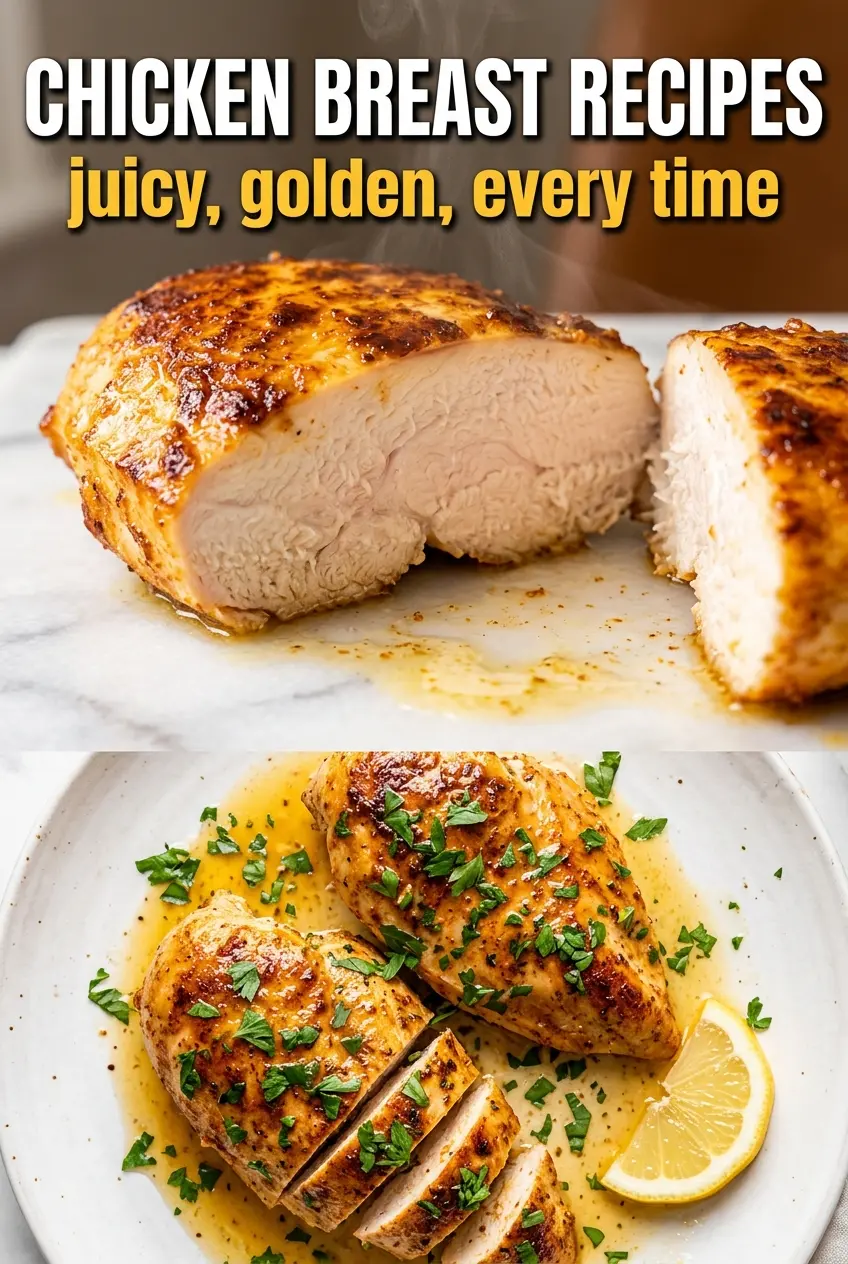
Even thickness is what keeps chicken breast from turning into two different dinners on one plate. The tapered end cooks faster, dries out first, and gives you that chalky texture people blame on the whole cut. Pounding the chicken to a steady ¾-inch thickness lets the pan heat work evenly from edge to center, so the whole breast reaches 165°F at the same time.
The other mistake is chasing color before the pan is hot enough. If the skillet isn’t properly preheated, the chicken starts to steam and the seasoning turns muddy instead of forming a crust. A cast-iron skillet helps because it holds heat when the chicken goes in, which means the surface sears instead of backing off the moment the meat hits the pan.
What the Seasoning and Butter Are Doing in This Pan
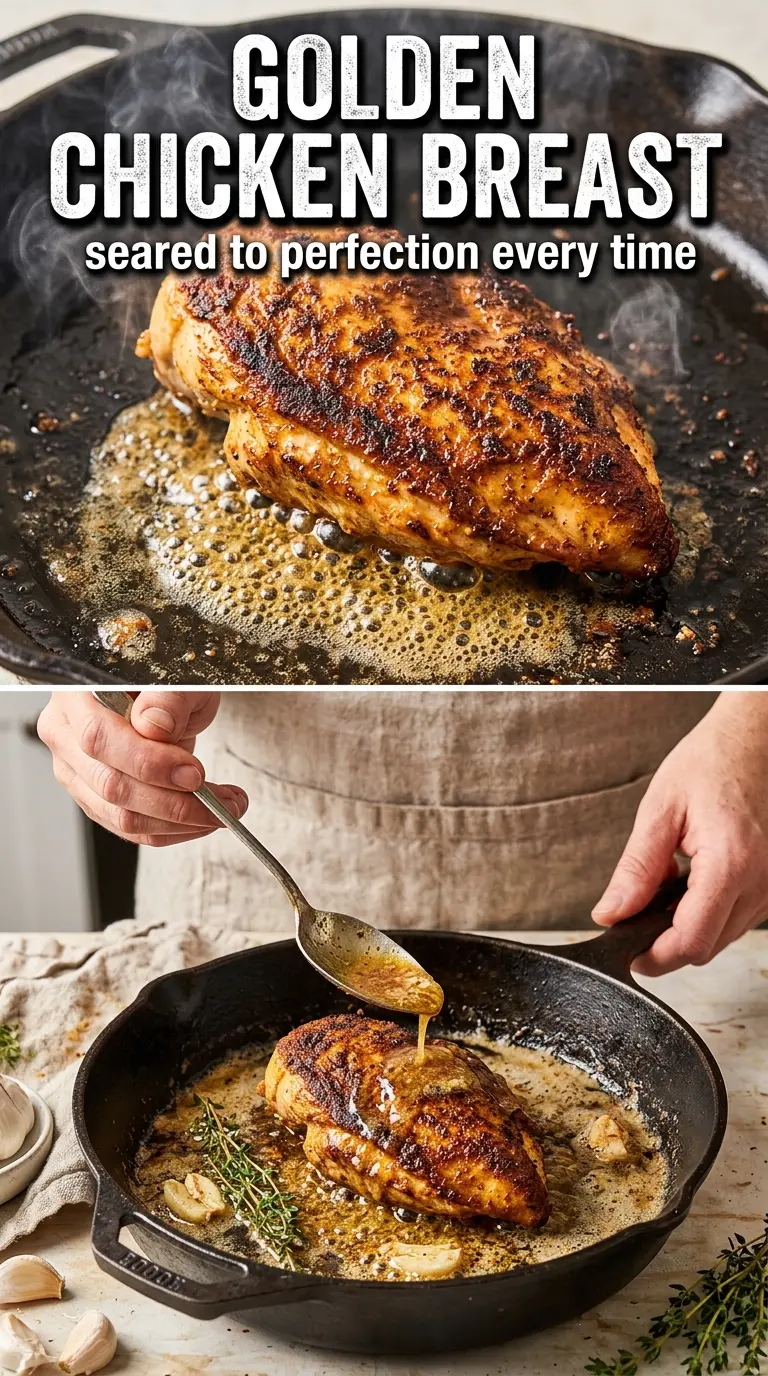
- Chicken breasts — Boneless, skinless breasts are lean, which is exactly why the pounding step matters here. Thin, uneven pieces dry out before they brown. If yours are unusually large, split them horizontally after pounding only if you need smaller portions for serving.
- Olive oil — This helps the spice rub cling and gives the chicken enough fat to brown cleanly. A neutral oil also works, but olive oil adds a little more flavor under the paprika.
- Smoked paprika — This is the backbone of the crust. It brings color and a deep, almost woodsy note that regular paprika won’t give you. If you only have sweet paprika, use it, but the finished chicken will taste milder and less round.
- Butter, garlic, lemon zest, and juice — Butter gives you the baste, garlic perfumes it, and lemon zest carries citrus oil into the pan without watering anything down. The juice goes on at the end because acid can mute browned flavors if it cooks too long. If you want the brightest finish, add the juice over the sliced chicken right before serving.
- Fresh parsley — This doesn’t just look nice. It cuts through the richness and makes the whole dish taste fresher. If you don’t have parsley, a little chopped chive works in the same finishing role.
Getting the Sear Right Before the Butter Goes In
Seasoning the Surface
Pat the chicken dry before you season it. Moisture on the surface keeps the spices from sticking and slows browning in the pan. Rub the oil and seasoning mixture over every side so the paprika has a chance to toast instead of sitting in little dry patches. If the seasoning looks caked in one spot, it’s too much oil in that area; spread it out with your hands until the coating is even.
Hot Pan, Quiet Chicken
Heat the skillet until it’s properly hot, then lay the chicken in and leave it alone. You want a steady sizzle right away. If the pan sputters weakly, it isn’t ready. Move too soon and the chicken sticks before it forms a crust; give it enough time and it will release on its own when the bottom is browned.
Finishing With the Lemon Butter Baste
When the chicken is nearly done, drop in the butter and smashed garlic, then add the lemon zest. Tilt the pan and spoon the melted butter over the breasts for the last couple of minutes. Keep the heat moderate here. Too much heat makes the butter brown hard and the garlic taste bitter instead of fragrant. Pull the pan off the burner as soon as the internal temperature hits 165°F, then rest the chicken before slicing so the juices stay in the meat instead of running across the board.
How to Change the Seasoning Without Losing the Juicy Texture
Dairy-Free Version With the Same Seared Finish
Use olive oil instead of butter for the final baste, then finish with lemon juice and parsley off the heat. You lose the round, rich sheen that butter gives, but you keep the bright, clean flavor and the crisp crust. The trick is to spoon the hot oil and pan juices over the chicken the same way you would with butter so the surface stays glossy.
Garlic-Herb Swap for a Softer, Less Smoky Profile
Replace the smoked paprika with dried thyme and a little extra oregano for a more classic herb-roasted flavor. The chicken will be lighter in color and less assertive, but still deeply savory. This version works well if you’re serving it with mashed potatoes or a cream sauce and don’t want the paprika to compete.
Gluten-Free and Low-Carb by Default
This recipe already fits both styles as written, which is part of why it’s such a useful weeknight protein. Serve it with vegetables, salad, or cauliflower mash and you don’t need to change the method at all. The sear and baste carry the whole dish, not a breading or sauce thickener.
Storage and Reheating
- Refrigerator: Store in an airtight container for up to 4 days. The crust softens a bit, but the chicken stays juicy if it wasn’t overcooked to start.
- Freezer: Freezes well for up to 2 months. Slice first if you want faster thawing, then wrap tightly and store with any juices to help protect the meat from drying out.
- Reheating: Warm gently in a covered skillet over low heat with a splash of water or broth, or use short bursts in the microwave at reduced power. High heat is the fastest way to turn leftover chicken breast rubbery.
Answers to the Questions Worth Asking
Chicken Breast Recipes
Ingredients
Equipment
Method
- Pound chicken breasts to an even 3/4-inch thickness for consistent cooking.
- Rub chicken all over with olive oil, garlic powder, smoked paprika, onion powder, dried oregano, salt, and cracked black pepper.
- Heat a cast-iron skillet over medium-high heat until very hot.
- Sear chicken for 5–6 minutes per side until the internal temperature reaches 165°F.
- Add butter, smashed garlic, and lemon zest during the last 2 minutes and baste continuously.
- Rest chicken for 5 minutes before slicing to keep juices in the meat.
- Serve with lemon juice drizzled on top and fresh parsley for finishing.