
Brown butter and maple syrup give these pumpkin cookies a deeper, warmer flavor than the usual spiced version, and the texture lands right where it should: soft in the center with just enough edge to keep each bite interesting. The pumpkin keeps them plush, while the browned butter adds a nutty note that makes the cookies taste a little more grown-up without losing that familiar cookie comfort.
The key is controlling the moisture. Pumpkin puree brings a lot of water to the dough, and browned butter adds even more looseness until it chills. That’s why these cookies need the rest in the fridge before baking. It firms the dough just enough so they spread in a controlled way instead of turning thin and cakey.
Below you’ll find the little details that matter most: why the dough behaves the way it does, what to expect from the browned butter, and how to keep the centers chewy instead of dry. The process is simple, but a couple of small choices make a big difference here.
The browned butter and maple came through beautifully, and chilling the dough kept the cookies thick with those soft, chewy centers. I baked them 12 minutes and they were perfect with a little crisp edge.
Chewy brown butter pumpkin cookies with maple warmth and crisp edges
The Reason These Cookies Stay Chewy Instead of Turning Cakey
Pumpkin cookies have one big problem: pumpkin adds moisture, and moisture pushes baked goods toward a cakier crumb. These cookies stay chewy because the fat, sugar, and flour are balanced to hold the dough together without making it puffy. The browned butter helps with flavor, but it also needs chilling to re-solidify before baking. Skip that rest and the cookies spread more, bake up softer, and lose the texture that makes them worth repeating.
The other thing that matters is the egg yolk. A whole egg would add more lift and more structure, which sounds good until the cookies start tasting more like little pumpkin cakes. The yolk adds richness and just enough binding without extra water. That’s the difference between a cookie that bends a little at the center and one that dries out by the next day.
- Browned butter — This gives the cookies their nutty depth. Let it cool until warm, not hot, or it will melt the sugar too aggressively and make the dough greasy.
- Pumpkin puree — Use plain pumpkin puree, not pumpkin pie filling. Pie filling already contains sugar and spices, which throws off the balance and can make the dough overly soft.
- Maple syrup — Real maple syrup adds flavor and keeps the sweetness round instead of sharp. Pancake syrup won’t taste the same and brings a more artificial finish.
- Egg yolk — This is the binder that keeps the cookies rich and chewy. Don’t swap in a whole egg unless you want a puffier, more cakey cookie.
What Each Ingredient Is Doing in the Bowl
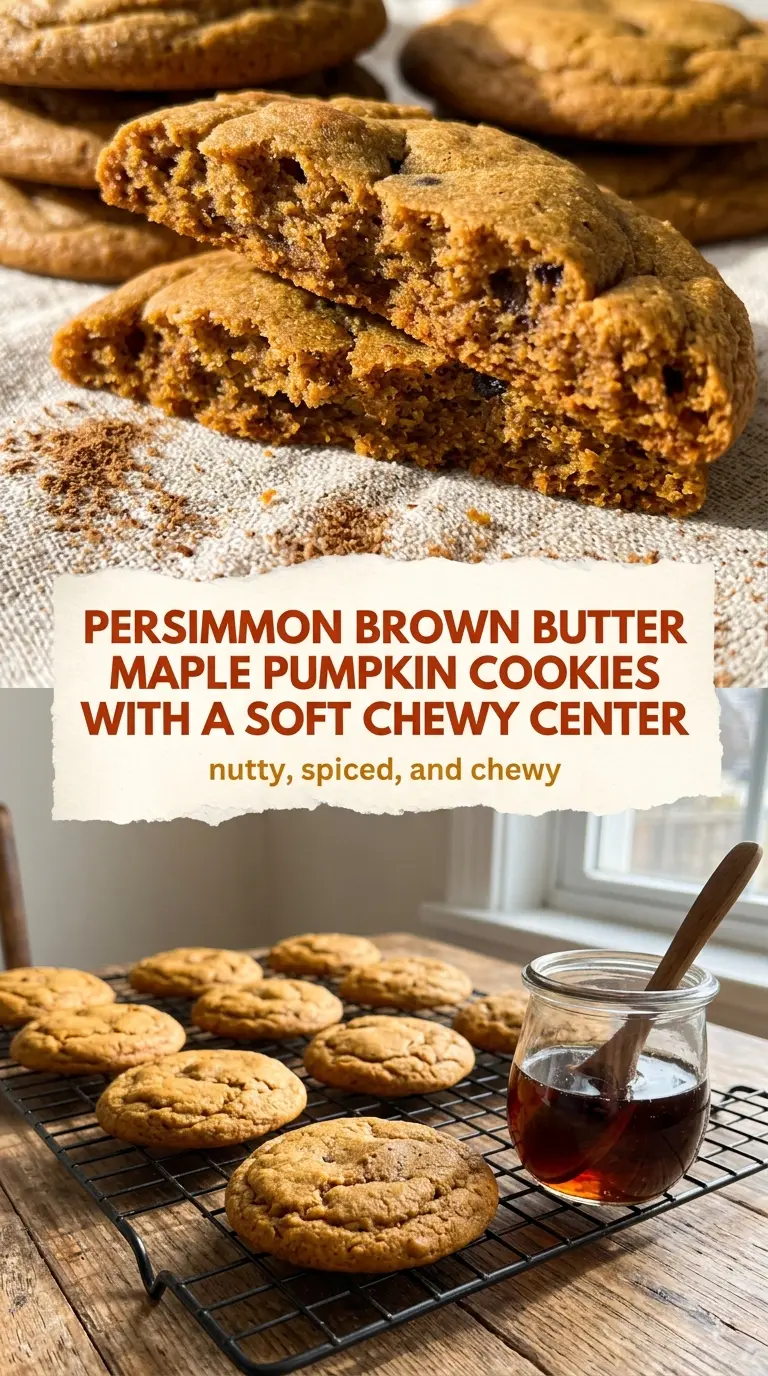
All-purpose flour gives the cookies enough structure to hold the pumpkin without collapsing. Too little and the dough spreads; too much and the cookies turn dry. Spoon and level it instead of scooping straight from the bag if you want the soft center described here.
Baking soda lifts the dough just enough to keep the cookies from feeling dense. It also reacts with the acidic ingredients in the batter, which helps with browning. If yours is old, the cookies will bake up flatter and duller in flavor.
Pumpkin pie spice does the heavy lifting on aroma, but it needs the maple and browned butter around it to taste complete. If you only have individual spices, combine cinnamon with a little ginger, nutmeg, and clove. That works fine and gives you more control.
Salt sharpens the maple and keeps the cookies from tasting one-note. It’s a small ingredient with a large job here, especially because both pumpkin and maple lean sweet.
How to Mix, Chill, and Bake Them for the Right Texture
Brown the Butter Until It Smells Toasty
Cook the butter over medium heat until the foaming settles and the milk solids turn golden brown at the bottom of the pan. You’ll smell a nutty, almost caramel-like aroma before you see the color change much. Pull it off the heat as soon as those solids are amber, because they go from browned to burnt fast. Let it cool until warm so it doesn’t scramble the yolk or make the dough too loose.
Build the Dough Without Overworking It
Whisk the pumpkin, maple syrup, brown sugar, and egg yolk into the browned butter until the mixture looks glossy and even. Then add the dry ingredients and stop mixing as soon as the flour disappears. If you keep stirring after that point, the dough tightens up and the cookies bake tougher than they should. A soft, slightly sticky dough is exactly what you want before chilling.
Chill for Shape, Not Just Convenience
Thirty minutes in the fridge gives the browned butter time to firm up and the flour time to hydrate. That’s what keeps the cookies from spreading into thin rounds. If the dough still feels very soft after chilling, give it another 10 to 15 minutes. Scoop it onto the baking sheet while cold, because warm dough loses shape before it sets.
Bake Until the Centers Still Look Soft
Bake at 350°F until the edges are set and the centers still look slightly underdone. They finish on the pan as they cool, which is where the chew comes from. If you wait until the middle looks fully baked in the oven, you’ll overshoot and end up with a drier cookie. Let them sit on the baking sheet for a few minutes before moving them so they can firm up without turning crumbly.
What to Change When You Need These Cookies to Work for You
Dairy-Free Version
Use a plant-based butter that browns well, not a soft spread from a tub. You’ll lose a little of the deep nutty flavor from real dairy butter, but the cookies still bake up chewy if the replacement has enough fat and the dough gets fully chilled.
Gluten-Free Swap
A 1:1 gluten-free baking blend works best here. The texture will be a little more delicate and the cookies may spread a touch more, but chilling the dough still protects the shape. Avoid almond flour on its own, since it won’t give the same structure.
Extra-Spiced Cookies
Add a little extra cinnamon or a pinch of ginger if you want the spice to stand out more against the maple. Keep the total amount modest so the cookies don’t start tasting dry or harsh. The browned butter should still be the flavor that lingers at the end.
Storage and Reheating
- Refrigerator: Store in an airtight container for up to 5 days. They stay soft, though the edges lose a little of their crispness after day one.
- Freezer: Freeze baked cookies for up to 2 months, or freeze scooped dough balls on a tray before transferring to a bag. Baking from frozen adds a minute or two.
- Reheating: Warm a cookie in the microwave for 8 to 10 seconds or in a low oven for a few minutes. Too much heat dries out the center and wipes out the chewy texture.
Questions I Get Asked About This Recipe
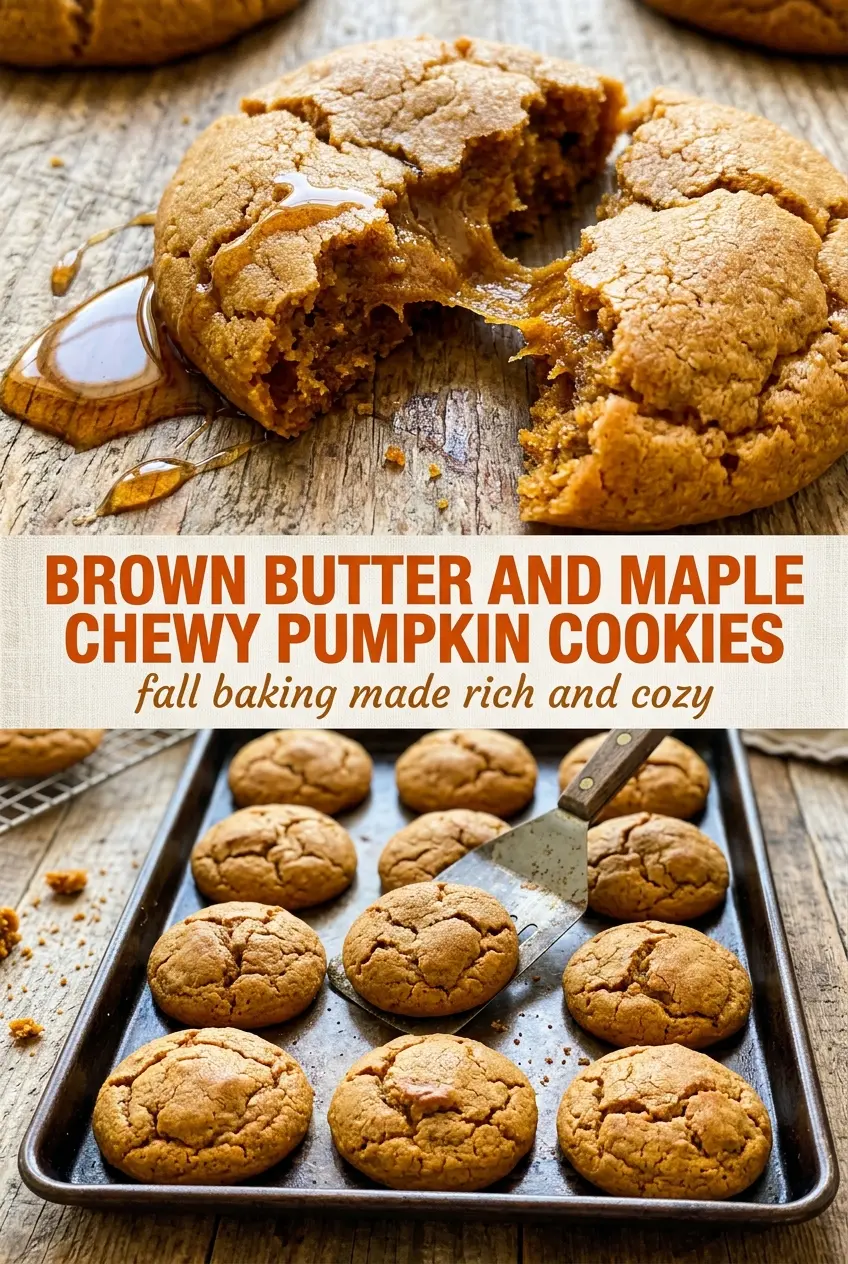
Brown Butter And Maple Chewy Pumpkin Cookies
Ingredients
Equipment
Method
- Brown the butter in a saucepan over medium heat until golden and nutty-smelling, then cool slightly. You should see browned milk solids stuck to the bottom and hear gentle crackling as it browns.
- Whisk the browned butter, pumpkin puree, maple syrup, brown sugar, and egg yolk together until smooth and glossy. The mixture should look evenly blended with no streaks of brown sugar.
- Whisk the all-purpose flour, baking soda, pumpkin pie spice, and salt together. Stop once the spices are evenly distributed throughout the flour.
- Fold the dry ingredients into the wet mixture until a soft dough forms. The dough should be thick and slightly sticky rather than stiff.
- Chill the dough for 30 minutes. It should firm up so the scoops hold their shape.
- Scoop the chilled dough onto a lined baking sheet, spacing the portions apart. Look for mounds with rounded tops that won’t spread too far.
- Bake at 350°F for 11 to 13 minutes, until the edges are set but the centers remain soft. The cookies should look slightly underdone in the middle while the rims are set and lightly darker.